Teaching Generosity Through Story: A Gentle Winter Introduction to the Salvation Army
Winter has a way of sharpening our senses to both beauty and need.
Cold edges remind us that every warm room is a gift, every coat a mercy, and every shared meal an act of quiet provision. As families settle more deeply into the season, many mothers begin wondering how to teach generosity in ways that do not feel performative or pressured—ways that belong naturally within the restful rhythm of a well-provisioned home.
One of the gentlest starting points is story.
Each winter, children notice the same small signs: a soft bell at the grocery store entrance, a red kettle near the post office, a volunteer bundled against the cold. These familiar images carry a history far larger than the season itself. When children learn the story behind them, giving becomes less about an isolated action and more about joining a long lineage of practical mercy.
This reflection offers a peaceful introduction—a Salvation Army history for children that can be shared without turning December into a unit study or stretching an already full schedule. Winter learning unfolds best through story, atmosphere, and conversation, and this story belongs naturally here.
Where Mercy Took Root
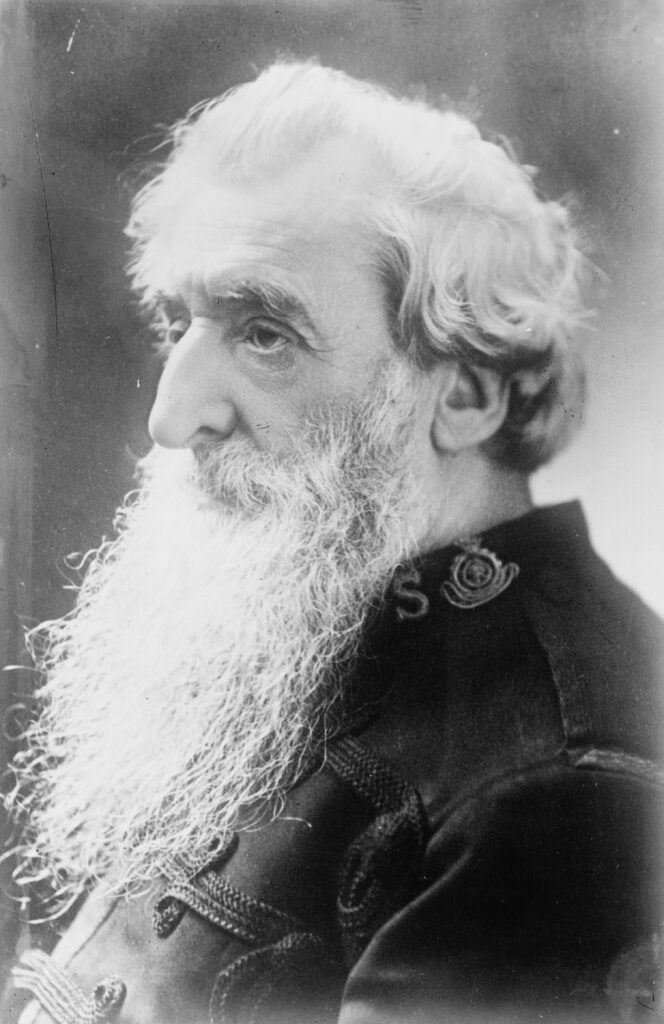
The Salvation Army traces its beginnings to London in the winter of 1865.
William and Catherine Booth walked streets crowded with poverty, industrial strain, and families enduring harsh cold with little support. Rather than founding a church bound by walls and pews, they built a movement shaped by presence—warm meals, safe shelter, clothing for the cold, and encouragement offered openly in the streets.
William Booth’s conviction was simple and deeply human: “You cannot warm hearts with God’s love if they have cold feet.” That conviction shaped a global mission that still stands today, especially visible in winter.
This gentle Salvation Army history for kids reveals something essential about formation. Children learn generosity not through demand, but through stories of how others lived it faithfully before them. When they hear how the Booths served families one meal at a time, one coat at a time, they begin to understand that even small acts belong to a larger story.
Winter makes this narrative especially vivid. Cold changes the way a child sees the world. It draws the imagination toward need and softens the heart toward mercy.
Why This Story Belongs in a Restful Homeschool
Charlotte Mason wrote that ideas “grow and bear fruit in the mind.” Stories like this grow best not in charts or assignments, but in a living atmosphere shaped by the mother’s own posture.
A Salvation Army history shared gently invites empathy without guilt. It allows children to imagine compassion rather than perform it. Giving becomes something they recognize rather than something they are told to do.
This aligns naturally with classical formation. Generosity trains the will, focuses attention outward, and cultivates gratitude. When children see their own small acts reflected in the work of those who came before them, generosity settles into identity rather than remaining an occasional event.
Letting the Story Be Told as Story
This history does not need embellishment.
An evening read-aloud that describes foggy London streets, crowded tenements, or a family offering warmth where none existed is enough. The Booths need not appear as distant historical figures. They can be introduced simply as parents who believed kindness should look like something tangible.
A mother might say quietly, “This is the story of a family who believed love should feel like warmth, food, and rest.”
Children listen differently when history arrives through a living voice. They begin to understand that the Salvation Army began not as an institution, but as a kitchen, a blanket, a table, a place to breathe.
If the story continues beyond that moment, it can do so gently—through a child-friendly biography or a quiet retelling—without burdening the rhythm of the home.
When the Story Shapes How the Child Sees
As the story settles, it begins to change perception.
Children notice winter differently. They see coats as protection, meals as provision, and warmth as a gift not everyone shares. Giving arises naturally from that awareness. It does not need to be announced or scheduled. It appears quietly in the willingness to share, to offer, to notice.
Even simple moments—a coin placed into a kettle, a pair of mittens chosen carefully, a note tucked into a donated coat—carry meaning because they echo a story already planted in the imagination.
This is not schooling.
It is formation.
A Vision That Grows Slowly
Ultimately, sharing a Salvation Army history for children forms vision before action.
Children learn to see people where they once saw only scenery. They understand that mercy often looks ordinary and that faithfulness unfolds in small, repeated acts. Over time, generosity becomes less about obligation and more about response.
The mother, too, is shaped in this telling. As you share the story, you remember that your home exists not only to teach, but to bless—not only to form children, but to serve the world beyond its walls.
Winter has always been a season of shared burdens.
Within that season, giving becomes one more way to practice provision over pressure—quietly, faithfully, and without haste.


Be the first to comment