Teaching Generosity in Winter Begins With Learning to See
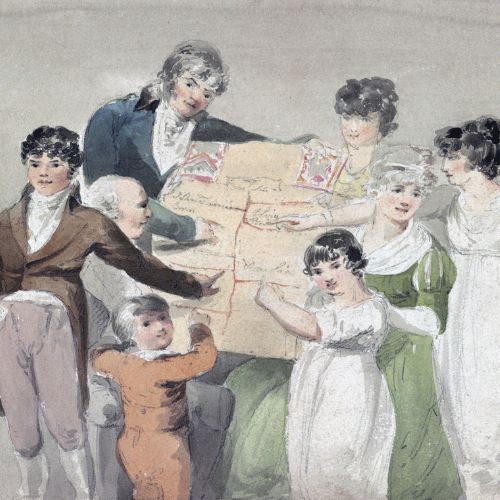
Winter carries a strange and beautiful gift: it slows our eyes long enough for us to notice.
Bare branches reveal the shape of things. Short days make small lights feel brighter. And when a family moves through the season with intention, the quiet often uncovers something deeper about the human heart. Generosity—real generosity—is not merely an action. It is a way of seeing persons.
When mothers speak about teaching generosity in homeschooling, they are rarely asking for instructions on giving. More often, they are searching for a way to guide their children toward attentiveness, compassion, and unhurried care. This is the interior work of winter. It is the formation of vision rather than habit.
This reflection, shaped by winter reading and the witness of organizations like the Salvation Army, invites us to linger in that deeper layer—the posture that makes generosity sustainable, peaceful, and sincere.
Generosity Begins With Attention
Charlotte Mason once wrote that “attention is an act of the will.” Yet long before a child chooses to give, he first learns to look.
He notices the cold air outside the grocery store, sees someone standing without gloves, and hears the bell ringing beside the red kettle. Because he notices, his imagination opens to the possibility that others may need something from him.
This is why winter is such a natural teacher of generosity in homeschooling. The season itself trains attention.
Sometimes all a mother needs to do is pause before entering a store and whisper, “Let’s notice who might need warmth today.” Nothing more follows. No lecture. No expectation. Just attention.
Attention softens the heart.
Seeing Persons, Not Problems
Children naturally categorize the world. They see helpers and strangers, familiar faces and unfamiliar ones. They do not yet know the histories behind those faces. With gentle conversation, however, their seeing begins to change.
A mother might say quietly, “Everyone you see has a story. We are not here to judge it—we are here to honor it.”
This is where generosity truly begins.
When families introduce children to the work of the Salvation Army during winter, they are not teaching institutional charity. They are offering children a way to see the person behind the need. And when a child sees the person, generosity no longer feels imposed. It rises naturally from within.
Imagination as the Ground of Compassion
Before children act generously, they must first understand generosity imaginatively.
Here, winter reading becomes a faithful companion. Stories like The Little Match Girl, The Christmas Miracle of Jonathan Toomey, The Hundred Dresses, or A Christmas Carol allow children to enter the lives of characters who suffer, hope, and receive kindness. As these stories are read aloud, something shifts quietly inside the child.
He begins to identify with the lonely figure, the struggling family, the one on the margins.
After a chapter, a mother might ask a single gentle question: “Who needed kindness most here?” This is not a lesson. It is narration of the heart. In this way, teaching generosity in homeschooling becomes less about instruction and more about formation through story.
A Mother’s Way of Seeing Shapes the Child
Children learn how to see the world by watching how their mother sees it.
If she moves through the season hurried or distracted, children absorb that posture. When she slows, notices, and names gratitude, they follow her gaze. A simple comment during a cold walk—“Thank God for warm homes; some people don’t have this tonight”—does not shame a child. It expands his world.
Generosity grows from gratitude long before it expresses itself in action.
When Atmosphere Carries the Work
Homeschooling often reaches its deepest formation when atmosphere carries more weight than instruction.
Winter makes this especially clear. A candle lit during morning reading. A hymn playing softly in the background. A winter painting resting quietly on the mantle. These things shape the emotional temperature of the home. In that atmosphere, generosity flourishes without being named.
The story of William Booth does not need to be hurried. The house can fall quiet for a moment. The stillness outside the window can mirror the interior quiet being cultivated.
This is not academic work. It is spiritual work.
Generosity as a Way of Seeing
Over time, children formed in this way learn generosity not as a task, but as a posture.
They notice, attend, and respond.
Teaching generosity in homeschooling is not about training children to perform acts of kindness on cue. It is about training them to see persons the way Christ sees them—beloved, worthy, and in need of compassion.
This formation unfolds slowly, the way winter light lengthens by minutes rather than hours. Yet it is steady work. And it bears fruit that lasts.
When children learn to see generously, giving follows naturally.


Be the first to comment