Gentle Kindergarten Homeschool Curriculum: Beginning With Peace, Not Pressure
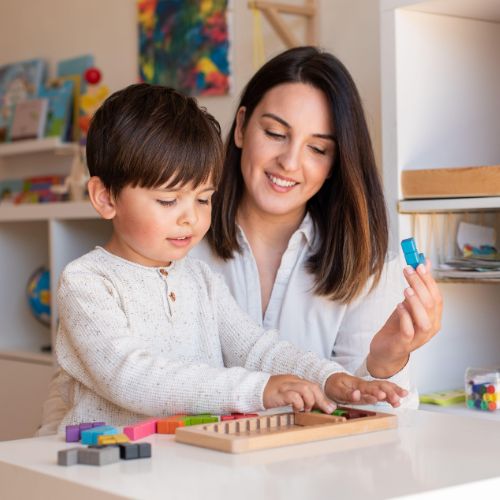
Choosing a gentle kindergarten homeschool curriculum often feels weightier than it should. Mothers long to do right by their children at the very moment they most crave simplicity. Safety matters. Foundations matter. And yet the search for “the right curriculum” can leave a mother feeling more uncertain than when she began.
That uncertainty is not a sign of failure. It is evidence of care. It means you are standing at the true beginning of the work.
Kindergarten is not a proving ground. It is an opening. And openings are meant to be entered slowly.
Kindergarten Is a Season of Formation, Not Performance
The kindergarten year belongs to the earliest years of the Grammar Stage—the season of naming, noticing, imitating, and forming habits of attention. During this time, the most essential work does not come from acquiring materials. It comes from establishing atmosphere.
Charlotte Mason reminded mothers that education is “an atmosphere, a discipline, a life.” In kindergarten, atmosphere leads. Long before mastery appears on a page, learning takes root through rhythm, relationship, and repetition.
For this reason, a child’s home—already shaped by familiarity, safety, and love—becomes her primary classroom. No elaborate system is required to make that true. What is required is discernment: seeing the child in front of you and responding with gentleness rather than urgency.
Readiness Matters More Than Resources
One quiet mistake mothers are encouraged to make is believing that every kindergarten child should begin in the same place. Yet children arrive at this year with different levels of readiness, confidence, and neurological maturity.
Some children show early comfort with letters and sounds. Others gather those pieces slowly and carefully. Both patterns are normal. Neither child is behind.
Because of this, a gentle kindergarten homeschool curriculum does not force a child into a track. It waits. It observes. It responds.
When a child shows readiness for early reading—recognizing letters, blending simple sounds, tracking words on a page—structured readers such as McGuffey’s Eclectic Primer can serve as a calm, steady spine. Used slowly and relationally, such texts offer language, rhythm, and moral imagination without demanding speed.
When readiness has not yet appeared, the work remains just as meaningful. Letter sounds, oral language play, daily read-alouds, and learning to attend quietly beside a mother are not “pre-learning.” They are learning. They prepare the soil rather than forcing the seed.
Trust the Slow Signs of Readiness
Mothers often wonder how they will know when a child is ready to move forward. Readiness rarely announces itself dramatically. Instead, it shows up quietly.
A child listens longer than before.
She delights in stories.
Patterns begin to emerge.
Text no longer produces tension.
Confidence grows where resistance once lived.
These signs matter far more than age-based expectations. When they appear, progress follows naturally. When they are rushed, resistance often takes their place.
“Thou shalt teach them diligently unto thy children…” (Deuteronomy 6:7, KJV).
In kindergarten, diligence looks like patience and faithfulness, not acceleration.
What “On Track” Means in a Well-Provisioned Home™
Beneath most curriculum anxiety lies a deeper concern: I just want my child to be where she should be.
Within a Well-Provisioned Home™, a kindergarten child is “on track” when she is growing steadily in attention, confidence, and familiarity with language and number. She is learning to sit, to listen, to narrate simply, to count meaningfully, and to delight in stories.
Some children read early. Others read later. Neither outcome determines future success. What matters is the association being formed between learning and peace.
Curriculum exists to serve that work—not to replace it.
A Smaller Picture Brings Greater Peace
When mothers step back, they often realize how little is actually required during this year.
A short daily reading.
Gentle sound or letter work.
One small act of writing when ready.
Simple counting and noticing.
Time outdoors.
A predictable, calm rhythm.
This is enough. More than enough.
Kindergarten flourishes when the home feels safe, ordered, and unhurried. In such an environment, learning settles naturally and confidence grows without strain.
You Are Not Behind — You Are Beginning
If this year feels uncertain, remember: no one ever taught you how little kindergarten truly needs. What matters fits into a very small, very human shape.
Your child does not need perfection.
She needs presence.
And you already offer that.
Her safest place is beside you.
That is not a liability.
It is provision.
Begin With Rest, Not Decisions
If the weight of choosing curriculum feels heavier than it should, begin with rest before planning.
→ Begin The Great Pause™
A free, grace-filled sabbath rhythm that helps mothers slow down, steady the home, and regain clarity before instruction begins.
You do not need to decide everything today.
You only need to begin in peace.


Be the first to comment