Sarah, Plain and Tall: A Gentle Review for Homes That Need Quiet
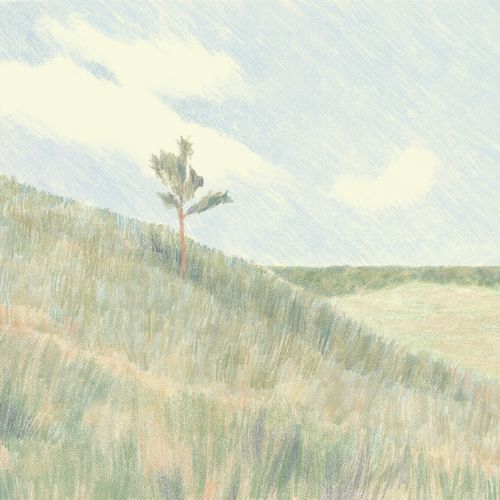
A gentle Sarah, Plain and Tall review begins not with analysis but with atmosphere—with open sky, the ache of longing, and the soft emotional truth Patricia MacLachlan places into the hands of mother and child. Entering Sarah, Plain and Tall or Skylark feels less like reading a book and more like stepping into a landscape. Even if you have never walked a prairie, the terrain feels familiar. These stories are brief, yet they carry a depth weary mothers recognize immediately. Their simplicity invites rest. Their honesty invites reflection. Their tenderness invites a slower, more human pace into the home.
Why These Patricia MacLachlan Stories Matter to the Weary Mother
Many children’s books entertain. Very few nourish. Sarah, Plain and Tall and Skylark offer a quiet sanctuary where themes of home, resilience, longing, and chosen belonging unfold without urgency. The prose is clean and unhurried, leaving space for breath rather than demanding momentum. For mothers seeking to cultivate a Well-Provisioned Home™, these books quietly demonstrate how literature can restore rather than drain the spirit.
Because the stories invite immersion rather than analysis, they echo the work of reader-response theorist Louise Rosenblatt, who believed that texts shape us most deeply when we live through them. A child does not merely read about the prairie; he inhabits it. The land, the silences, and the relationships become part of his inner landscape.
A Literary Meditation on Home, Longing, and the Courage to Stay
At its heart, Sarah, Plain and Tall is a meditation on the making of home through ordinary faithfulness. Sarah arrives from Maine carrying sea memories and an unspoken question every child understands: Will I belong here? The answer unfolds slowly—through daily work, shared storms, quiet laughter, and trust built one small moment at a time.
Skylark deepens this meditation. A devastating drought drives Sarah and the children back to Maine while Jacob remains to tend the farm. The separation aches. Yet it reveals how deeply the prairie has already shaped the family’s imagination. Environmental historian William Cronon once wrote that landscapes shape people as surely as people shape landscapes. MacLachlan’s sequel embodies that truth. Children begin to sense that home is not merely a place but a relationship between land, people, and memory.
Together, these stories whisper that home is formed through presence rather than perfection—through continuity rather than spectacle.
What These Stories Restore in a Mother
Reading these books as a mother restores something ancient and steady. Anna’s quiet responsibility, Caleb’s eager hope, Jacob’s grief-tinged strength, and Sarah’s careful courage mirror the emotional textures of real family life. In their pages, ordinary work is revealed as meaningful work. Cooking, reading aloud, tending animals, and watching the sky become acts of love rather than background noise.
For mothers who quietly fear that their daily faithfulness is too small, these stories offer reassurance. Belonging grows slowly. Courage often hides inside routine. Longing, when tended gently, becomes a teacher rather than a threat. MacLachlan’s world invites mothers to trust the slow work of home—work that rarely announces itself yet shapes children for a lifetime.
The Founder’s Lens: Prairie Imagination and the Creative Calling™
Through the Founder’s lens, Sarah, Plain and Tall and Skylark reflect the heart of the Creative Calling™. Sarah brings creativity into the home not through projects or production but through attention. She sketches the land, sings old songs, names animals with affection, and teaches the children how to see what the prairie offers. Her creativity is relational and restorative, never performative.
In this way, the stories mirror the daily creative stewardship of motherhood. Atmosphere is shaped through noticing, gentleness, and quiet care. Creativity becomes an act of presence—of loving what is given rather than manufacturing what is missing.
Letting the Story Gently Shape Learning
These books lend themselves to integration without pressure, because the learning arises naturally from the story’s atmosphere.
Conversation may wander toward pioneer life, migration, or drought without needing formal lessons. Children may begin noticing weather patterns, water scarcity, or the contrast between coastal and prairie environments. Writing may emerge through simple narration, copied sentences, or quiet reflections tied to place and memory.
Because the stories move slowly, they invite slow response. Nothing needs to be extracted or completed. The learning settles as the story settles.
How to Read These Books: Provision, Not Pressure
Read aloud when possible. Let the prairie wind and the Maine shoreline rest in your home like open windows. Pause when something moves you. Allow silence when it comes. Because these books are gentle in tone, conversation often arises without prompting.
Let the stories accompany your days rather than organize them. Allow them to restore your pace before they inform your plans.
These are not books to rush through. They are books to live beside.
Begin With Rest Before You Ask What Comes Next
If these stories stir a longing for a slower rhythm or reveal how tired your home feels, begin with rest rather than restructuring.
→ Begin The Great Pause™
A free, grace-filled sabbath rhythm that helps mothers slow down, steady the home, and recover clarity before moving forward.
Some stories remind us what matters.
Others help us remember how to breathe.
These prairie stories do both.


Be the first to comment