How to Start Homeschooling: A Gentle Guide for the First Steps
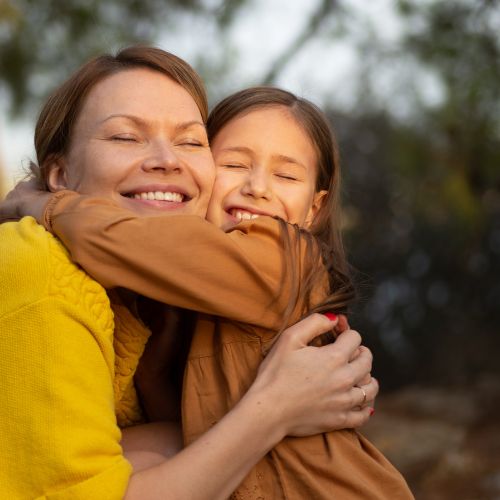
Every year, thousands of families quietly step out of the traditional school system and into something far older, far simpler, and far more human: learning at home. Their reasons differ—safety, burnout, calling, rhythm, or a longing for time together—but the first question almost always sounds the same:
Where do we even begin?
For many parents, the desire to homeschool feels clear while the path into it feels hazy. Laws must be understood. Routines must be reshaped. Anxiety hums beneath the surface. Beginning can feel like standing at the edge of a wide field without knowing where the first footstep belongs.
This guide offers that first step—and then the next—showing how to start homeschooling in a way that honors your child’s humanity and protects your family’s peace. Scripture reminds us, “For God is not the author of confusion, but of peace” (1 Corinthians 14:33, KJV). Peace, then, is not the reward at the end. It is the place you begin.
Before Anything Else: Let the Home Breathe Again
Long before a mother opens a book or chooses materials, the home itself begins teaching. Classical educators and Charlotte Mason alike understood this: atmosphere precedes instruction.
Because of this, the earliest step in homeschooling has nothing to do with curriculum. It begins with recovery.
Before making decisions, take a short season—often just a week or two—to notice your family’s natural rhythms. Pay attention to waking and resting, meals and play, attention and fatigue, prayer and quiet. Homeschooling rests on these foundations. A peaceful home teaches more effectively than any purchased program ever could.
Wendell Berry once observed that “it may be that when we no longer know what to do, we have come to our real work.” Homeschooling begins here—not in expertise, but in humility.
Understanding Homeschool Law Without Panic
Every family must understand the homeschooling requirements where they live. Laws vary from state to state, but the process is usually far simpler than it first appears.
Most families discover that once they take the required legal step—whether that involves filing a notice, withdrawing from a school, or keeping basic records—a great weight lifts. Legal readiness is a form of stewardship, not a source of fear.
You do not need to master every detail immediately. Learn what applies to your state, comply calmly, and then return your attention to the work that matters most: restoring the home and tending the child.
Step One: Clarify the Life You Are Building
Before choosing books or programs, pause to ask a question curriculum can never answer:
What kind of life are we trying to build together?
Homeschooling is not merely an academic decision. It is a shaping of family culture. Families who thrive are rarely those with the most resources or the most elaborate plans. They are the ones who know why they are homeschooling.
That “why” may sound simple:
You want slower mornings, more time together, to protect attention and childhood, and learning anchored in truth, goodness, and beauty.
This purpose becomes your compass. Without it, homeschooling feels noisy and overwhelming. With it, decisions grow lighter and clearer.
Step Two: Understand What Children Actually Need
Many parents assume homeschooling means recreating school at home—multiple subjects, long hours, rigid pacing. Yet classical education has always taught something gentler.
Children grow through mastery, relationship, and time, not volume.
The Trivium offers a developmental lens rather than a grade-based one:
Grammar years: habit, language, memory, wonder
Logic years: connection, cause and effect, reasoning
Rhetoric years: expression, discernment, vocation
The aim is not speed. The aim is formation.
Attention, reading fluency, narration, basic math mastery, habit formation, and exposure to beauty do far more for a child than a crowded checklist ever could. When parents grasp this, many feel relief for the first time.
Step Three: Begin With One Gentle Pathway
At the beginning, restraint matters more than ambition.
You do not need to purchase a boxed curriculum or fill every subject. Choose one simple pathway and let it carry you.
Most families begin well with:
Reading and language through phonics or narration
One consistent math approach
Living books for history, science, and literature
Daily Scripture, prayer, and hymnody
This is enough. Everything else can unfold in time.
Step Four: Shape a Rhythm, Not a Schedule
Schedules demand precision. Rhythms allow life.
A morning rhythm might include Scripture, a read-aloud, math, language work, and time outdoors or movement. Afternoons can hold rest, handcraft, quiet reading, or family life.
Homeschooling does not require an eight-hour school day. Two to four focused hours, surrounded by real life, is both sufficient and sustainable.
Step Five: Make Room for Beauty
Beauty steadies the home. It softens learning and awakens imagination.
Often, it looks very small:
A candle lit before reading
A basket of good books
Music during chores
Watercolor paints on a quiet afternoon
These gestures shape memory, and memory shapes character. This is why classical educators insisted that education is moral and aesthetic long before it is academic.
Step Six: Keep Only What You Need
If documentation is required where you live, simplicity protects peace.
Save only what shows progress: a reading list, a math log, a few meaningful samples of work. Volume is not evidence of learning. Mastery is.
Step Seven: Allow Yourself to Be New
Perhaps the most important step in how to start homeschooling is this one: let yourself be a beginner.
You are not expected to know everything. Homeschooling is a vocation learned slowly. God equips as you walk.
“Commit thy works unto the LORD, and thy thoughts shall be established” (Proverbs 16:3, KJV).
Confidence does not precede obedience. It grows from it.
A Gentle Place to Begin
If your home feels weary, uncertain, or overstimulated, begin with rest before you plan.
→ Begin The Great Pause™
A free, grace-filled sabbatical that helps families step out of school pressure, steady the home, and recover clarity before formal learning begins.
Homeschooling does not begin with certainty.
It begins with calling.
And God is faithful to meet families who begin in peace.


Be the first to comment